Artificial intelligence now stands at the center of a significant shift in education, and special education feels this change more than most fields. Teachers who serve students with disabilities often face heavy workloads, limited resources, and constant pressure to meet diverse learning needs. As a result, AI-powered tools promise faster planning, better personalization, and more substantial support. However, while these tools offer clear benefits, they also raise concerns about human connection, ethical responsibility, and long-term impact. Therefore, educators must approach AI with care, intention, and balance. By blending innovation with compassion, teachers can use technology to enhance learning while still honoring the deeply human nature of special education.
The Growing Presence of AI in Special Education
Across classrooms, AI tools now assist teachers in ways that once seemed impossible. Programs analyze student data, track learning patterns, and suggest instructional strategies in real time. Moreover, adaptive software adjusts lessons based on individual progress, which helps students stay engaged and motivated. These technologies enable teachers to respond more quickly and accurately to each student’s needs. As a result, many educators report improved efficiency and reduced administrative strain.
At the same time, this rapid expansion changes the role of the teacher. Instead of spending hours preparing materials, teachers can focus more on direct instruction and emotional support. However, reliance on automated systems also introduces new challenges. Teachers must learn to interpret data, evaluate recommendations, and maintain control over instructional decisions. Therefore, schools need proper training and guidance to ensure that educators feel confident and capable. With thoughtful implementation, AI can serve as a valuable partner rather than a replacement.
Personalized Learning and Student Growth
One of the most significant promises of AI lies in personalized learning. Students in special education often require unique instructional approaches that address specific cognitive, physical, or emotional needs. AI tools can analyze performance data and adjust lessons to match individual strengths and challenges. Consequently, students receive targeted support that promotes steady progress and builds confidence.
Furthermore, these systems allow teachers to monitor progress more closely. Real-time feedback highlights areas that need attention, which enables quick intervention. As a result, teachers can respond before small struggles become major obstacles. This responsiveness encourages consistent growth and reduces frustration for students and families alike.
However, personalization requires careful oversight. Algorithms depend on accurate data, yet learning involves more than measurable outcomes. Emotional states, social dynamics, and environmental factors also shape student success. Therefore, teachers must blend data-driven insights with professional judgment. By doing so, they ensure that technology supports learning rather than narrows it.
Supporting Teachers and Reducing Burnout
Special education teachers often experience high levels of stress due to paperwork, lesson planning, and constant emotional demands. AI tools promise relief by automating repetitive tasks such as grading, documentation, and progress tracking. This support frees time for instruction, collaboration, and relationship building. As a result, teachers can maintain energy and enthusiasm for their work.
In addition, AI-based planning tools offer creative lesson ideas and adaptive resources. Teachers can explore new approaches without spending hours on research. Consequently, classrooms become more dynamic and engaging. This renewed creativity also benefits students, who thrive in stimulating learning environments.
Yet, dependence on technology can create new pressures. Teachers may feel overwhelmed by constant updates, system errors, or data overload. Therefore, schools must establish clear boundaries and expectations. When administrators prioritize simplicity and usability, AI becomes a helpful assistant rather than a source of stress.
Ethical Considerations and Data Privacy
While AI brings efficiency, it also raises grave ethical concerns. Student data, especially in special education, contains sensitive information about learning challenges, medical needs, and personal circumstances. Protecting this data must remain a top priority. Schools must use secure platforms and adhere to strict privacy policies. Otherwise, breaches could harm students and erode trust.
Moreover, algorithms can reflect bias if developers fail to consider diverse populations. When systems rely on limited data sets, they may reinforce stereotypes or overlook unique needs. Therefore, educators must critically evaluate tools before adoption. By demanding transparency and accountability, schools can promote fairness and inclusion.
Teachers also play a key role in safeguarding ethical standards. By questioning automated recommendations and maintaining professional autonomy, they protect students from potential harm. This vigilance ensures that technology serves human values rather than undermines them.
Preserving the Human Connection
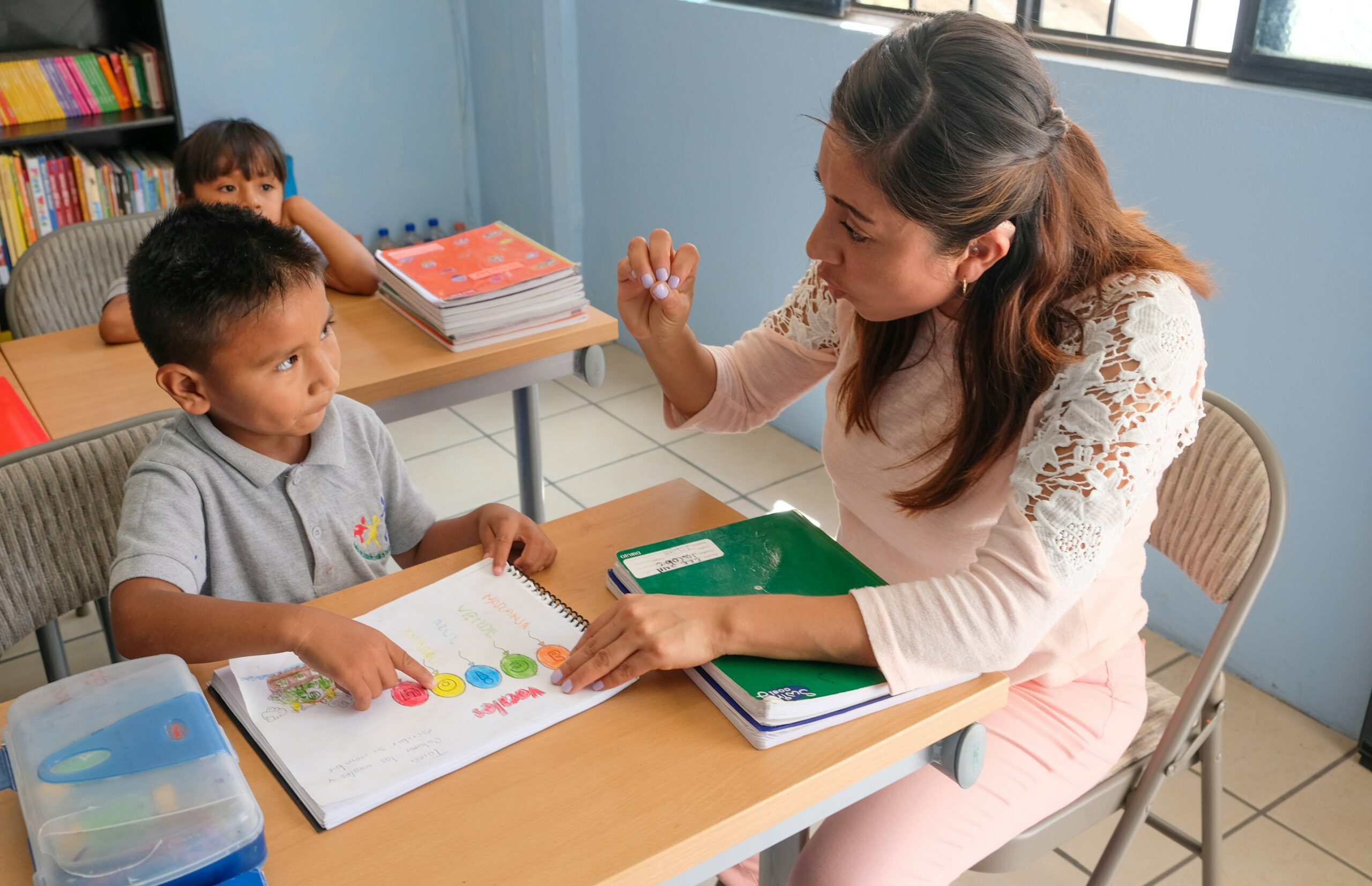
Despite technological advances, special education depends on strong relationships. Students with disabilities often require patience, empathy, and emotional reassurance. No algorithm can replace the comfort of a supportive teacher or the motivation inspired by genuine encouragement. Therefore, educators must preserve the human touch in every interaction.
AI tools can handle data, yet teachers understand emotions, build trust, and nurture resilience. These human qualities foster confidence and self-worth, which drive long-term success. When teachers prioritize connection, students feel safe to explore, question, and grow. As a result, learning becomes meaningful rather than mechanical.
However, technology can enhance these relationships when used thoughtfully. By reducing administrative burdens, AI allows teachers more time to engage with students. Thus, the goal remains balance. Teachers must harness innovation while safeguarding compassion at every step.
Preparing Schools for Responsible AI Integration
Successful AI adoption requires careful planning and collaboration. Schools must invest in training that equips teachers with technical skills and ethical awareness. Professional development should emphasize critical thinking, data literacy, and instructional flexibility. When teachers feel empowered, they use technology more effectively.
Administrators also need clear policies that outline appropriate use, data protection, and accountability. These guidelines promote consistency and prevent misuse. Furthermore, collaboration among educators, parents, and specialists strengthens decision-making. Open dialogue fosters trust and ensures that all voices shape implementation.
Additionally, schools should continuously evaluate outcomes. By monitoring student progress, teacher satisfaction, and system performance, leaders can refine strategies and address challenges. This ongoing assessment promotes growth and adaptability, which are essential in a rapidly evolving landscape.
A Balanced Future
As AI continues to evolve, its influence on special education will expand. New tools will offer deeper insights, greater personalization, and more substantial support. However, educators must remain mindful of their responsibilities. Technology should enhance teaching, not replace human judgment.
By balancing progress with care, schools can create inclusive environments where every student thrives. Thoughtful integration of AI empowers teachers, supports learners, and strengthens communities. When innovation aligns with compassion, special education reaches its fullest potential. In this balanced future, technology and humanity work side by side to inspire growth, resilience, and hope.